
Introduction
Creating a theme park that resonates with local culture requires more than just installing rides and attractions. It demands a nuanced understanding of the community’s history, traditions, and social dynamics. When executed effectively, a park can serve as both an entertainment hub and a cultural showcase. The challenge lies in blending innovative amusement experiences with authentic cultural narratives, resulting in a destination that feels both exciting and familiar to its visitors.
Understanding Local Cultural Context
To design a park that aligns with local culture, it is essential to conduct comprehensive research into the region’s heritage. From folklore and festivals to architectural styles and public art, every element contributes to the overall atmosphere. Collaborating with an amusement park ride manufacturer who has experience in culturally themed projects can ensure that the rides themselves reflect the region’s identity. These experts offer insights on ride aesthetics, theming integration, and operational feasibility, providing a solid foundation for a culturally immersive experience.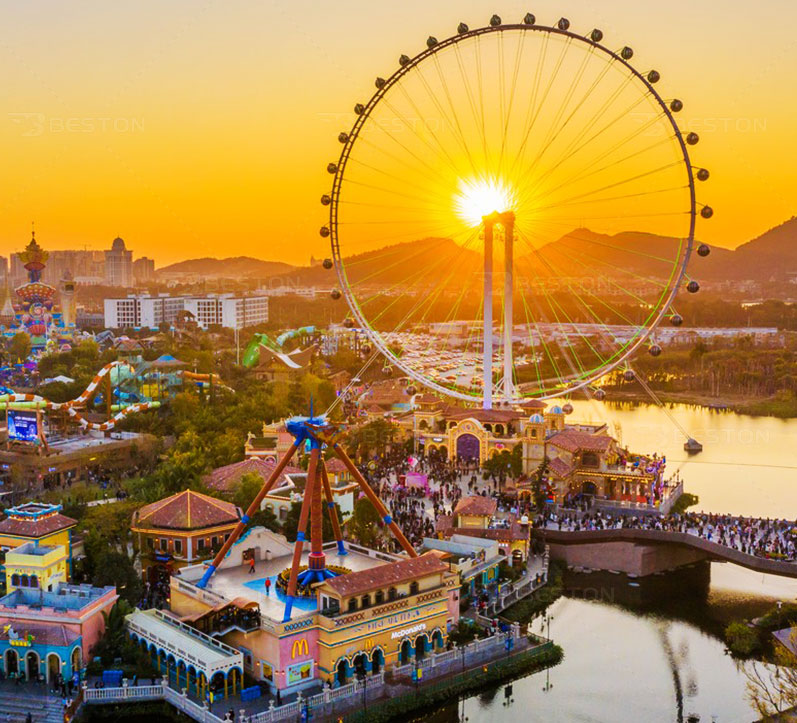
Integrating Iconic Attractions
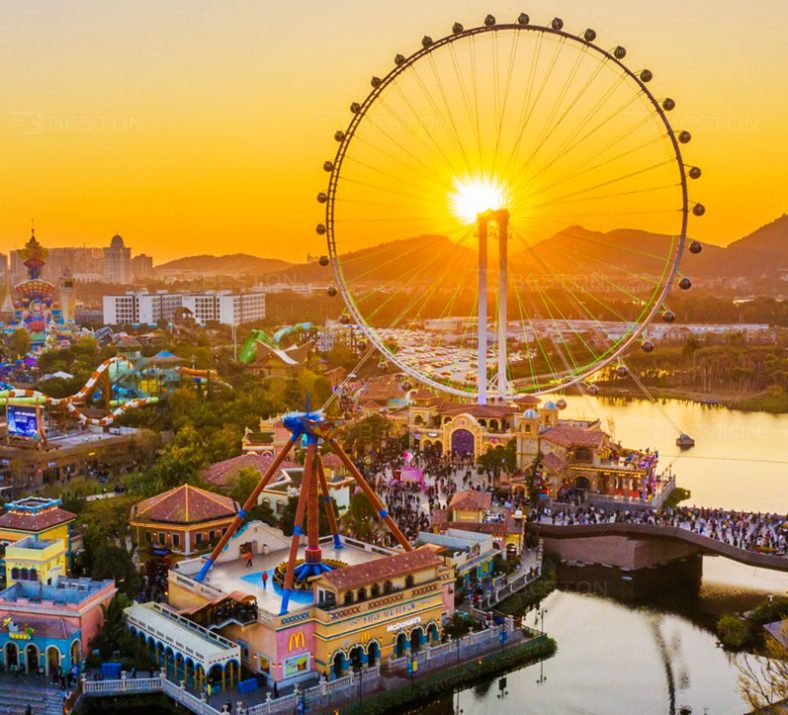
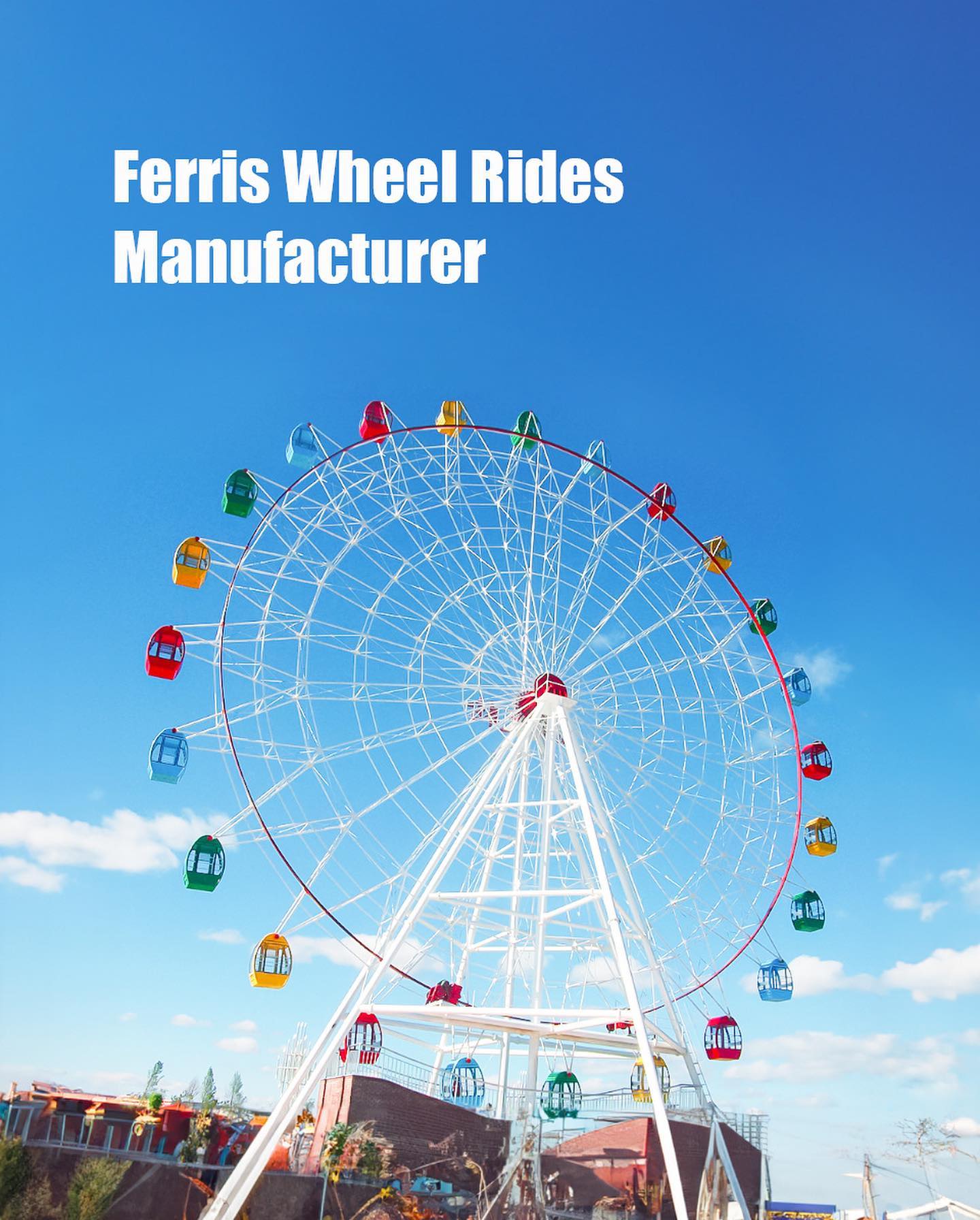
Key attractions form the backbone of visitor engagement. A ferris wheel for sale, for instance, can be customized with colors, motifs, and lighting schemes that reference local symbolism, transforming a classic ride into a cultural landmark. The strategic placement of such signature attractions enhances sightlines, draws attention from distant areas of the park, and encourages prolonged visitor engagement. When designed with cultural storytelling in mind, these rides become more than entertainment—they serve as iconic representations of the local environment.
giant Ferris wheels for sale
Ride Selection for Thematic Coherence
Selecting rides that align with the park’s narrative is critical. Whether it’s a high-thrill roller coaster or a family-friendly carousel, each attraction should echo elements of local culture. Themed ride design can incorporate local myths, traditional patterns, or historical events, providing guests with a sense of place and narrative continuity. Engaging with professional designers to buy a roller coaster tailored for thematic coherence ensures the park maintains both operational efficiency and cultural authenticity.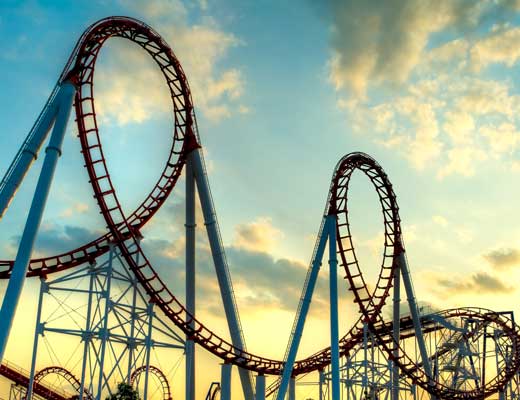
Creating Interactive and Immersive Zones
Beyond individual rides, thematic zones amplify cultural immersion. A pendulum swing ride might be situated in an area designed to emulate a local festival scene, complete with decorative motifs, ambient sounds, and interactive elements. Combining dynamic attractions with immersive theming encourages visitors to explore the park more fully, creating memorable experiences that extend beyond the rides themselves. Attention to detail in storytelling and environmental design elevates the park from a simple recreational space to a holistic cultural journey.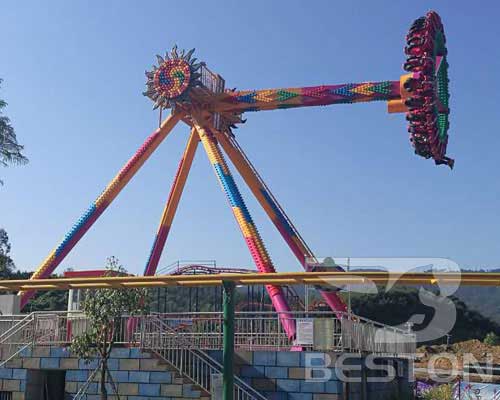
Visitor Engagement and Experience
Visitor experience hinges on how seamlessly cultural elements are integrated with entertainment. From queue design to food offerings, each touchpoint reinforces the park’s identity. Incorporating traditional music, local crafts, and regionally inspired merchandise enriches the sensory landscape. Moreover, thoughtful educational elements, such as informational plaques or augmented reality experiences, can enhance understanding of cultural references, making each visit both enjoyable and enlightening.
Operational Considerations
Operational efficiency must coexist with thematic fidelity. Selecting reliable equipment, planning maintenance schedules, and ensuring ride safety are paramount. Collaborating with a skilled amusement park ride manufacturer ensures the park operates smoothly while preserving its cultural integrity. Additionally, integrating crowd flow analysis and zoning strategies optimizes visitor circulation, allowing guests to experience cultural narratives without congestion or fatigue.
Marketing and Community Integration
Culturally themed parks benefit from community engagement. Hosting local events, inviting artisans for live demonstrations, and incorporating cultural festivals into seasonal programming strengthens the park’s connection to its audience. Marketing efforts should highlight these unique elements, positioning the park as a celebration of local identity as well as a premier entertainment destination. This approach not only attracts tourists but also fosters local pride and repeat visitation.
Conclusion
Designing a theme park with local cultural characteristics requires a careful balance of narrative, aesthetics, and entertainment. By integrating rides such as ferris wheel for sale, buy a roller coaster, and pendulum swing ride, parks can provide thrilling experiences while celebrating regional identity. The collaboration between designers, ride manufacturers, and cultural experts is essential to achieving a harmonious, immersive environment. Ultimately, a culturally integrated amusement park becomes more than a leisure venue—it becomes a space where stories, traditions, and community pride come alive.